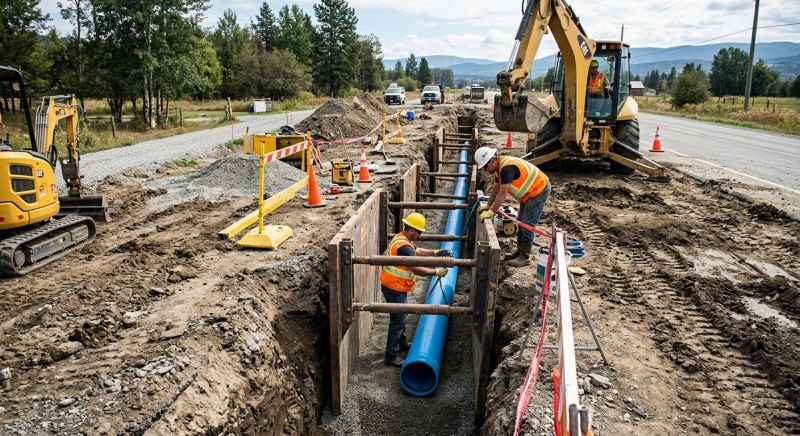
Gas Line Excavation in Atlanta, GA
Gas line excavation services involve the careful digging and trenching required to install, repair, or replace underground gas pipelines on residential properties. These projects typically include installing new gas lines for appliances such as furnaces, water heaters, or outdoor grills, as well as replacing aging or damaged pipelines to ensure safety and proper operation. Homeowners often want to understand the scope of excavation work, the importance of proper planning, and the need for adherence to safety standards before requesting this service.
Property owners should be aware that gas line excavation involves working around existing underground utilities and structures, which requires precise planning and careful execution. It is essential to consider factors such as the location of existing lines, local regulations, and the potential need for permits or inspections. Clear communication about project goals and any potential disruptions can help ensure the work proceeds smoothly and safely.
Many property owners in Atlanta, GA look into Gas Line Excavation for repairs, replacements, upgrades, and appearance-related improvements.
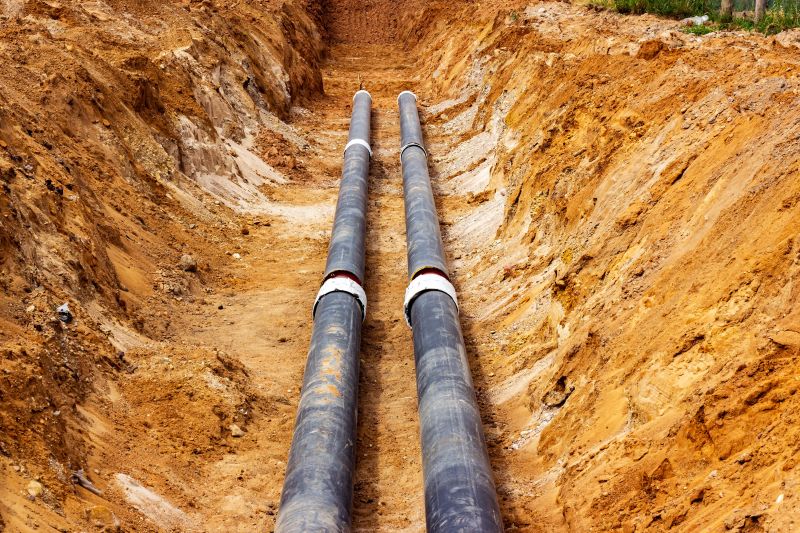
Gas Line Excavation Services
Examples of gas line excavation work property owners may explore in atlanta, ga.
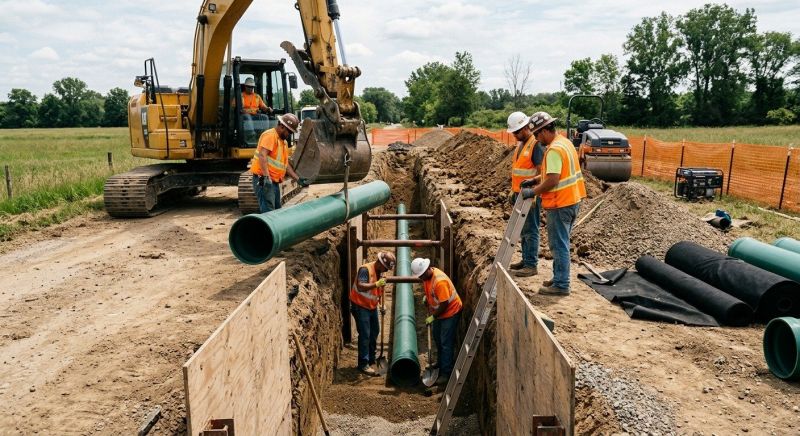
Gas Line Excavation Updates
Common ways people refresh, improve, or restore gas line excavation features in atlanta, ga.
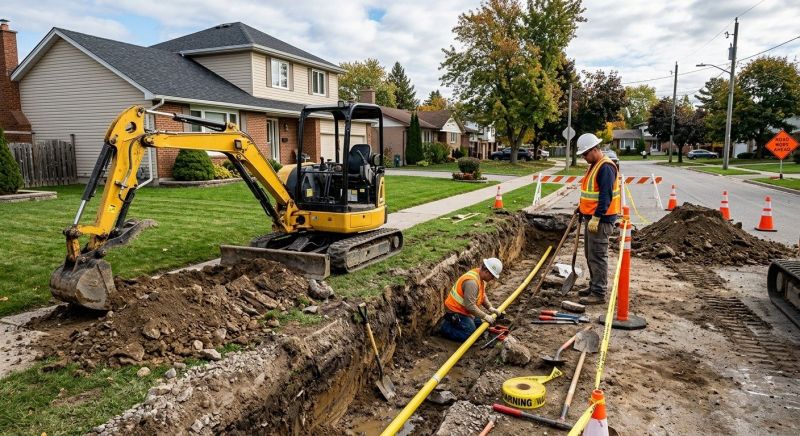
Gas Line Excavation Options
Different styles, layouts, and finishes people consider for gas line excavation in atlanta, ga.
Gas Line Excavation in Atlanta, GA
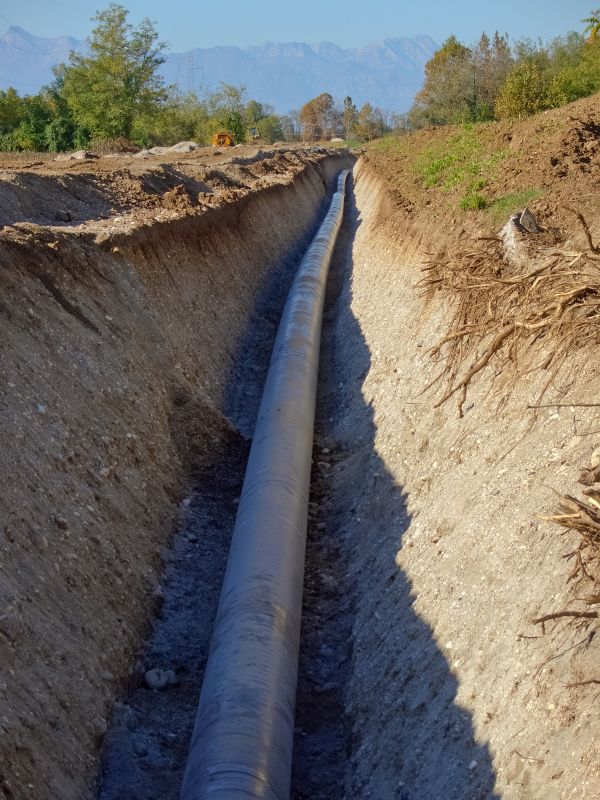
Gas line excavation services involve the careful digging and trenching required to install, repair, or replace underground gas pipelines on residential properties. These projects typically include installing new gas lines for appliances such as furnaces, water heaters, or outdoor grills, as well as replacing aging or damaged pipelines to ensure safety and proper operation. Homeowners often want to understand the scope of excavation work, the importance of proper planning, and the need for adherence to safety standards before requesting this service.
Property owners should be aware that gas line excavation involves working around existing underground utilities and structures, which requires precise planning and careful execution. It is essential to consider factors such as the location of existing lines, local regulations, and the potential need for permits or inspections. Clear communication about project goals and any potential disruptions can help ensure the work proceeds smoothly and safely.
Many property owners in Atlanta, GA look into Gas Line Excavation for repairs, replacements, upgrades, and appearance-related improvements.
Common Gas Line Excavation Jobs
Gas line excavation involves carefully digging to access underground gas pipes for repairs or upgrades.
Utility relocation includes excavation to move existing gas lines during property renovations or new construction.
Leak detection access requires excavation to reach and repair gas line leaks safely.
New gas line installation involves trenching to lay underground gas pipelines for appliances or heating systems.
Line inspection and testing includes excavation to inspect and verify the integrity of underground gas lines.
Emergency repairs involve quick excavation to address urgent gas line issues and prevent hazards.
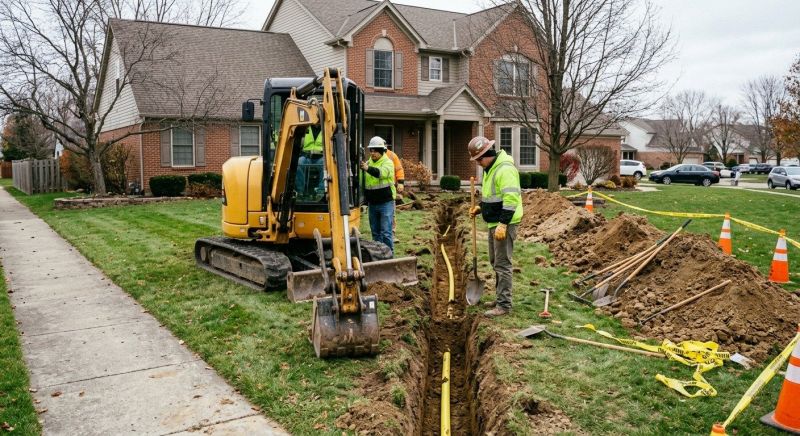
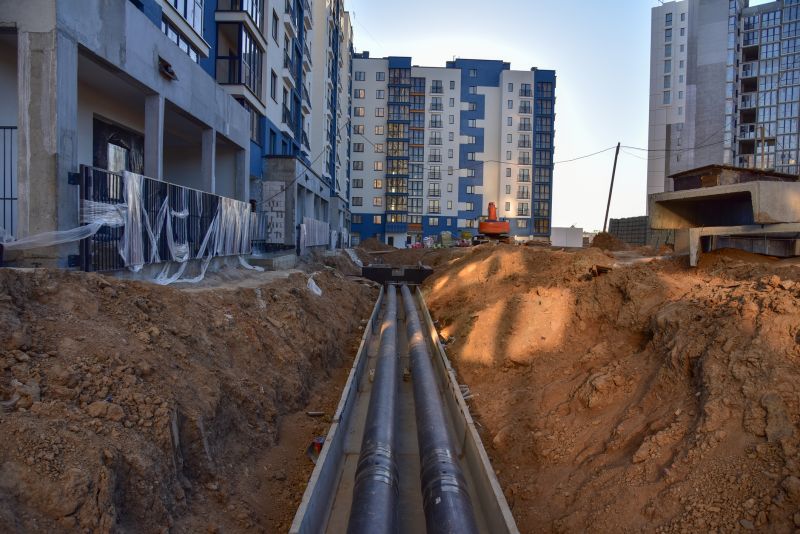
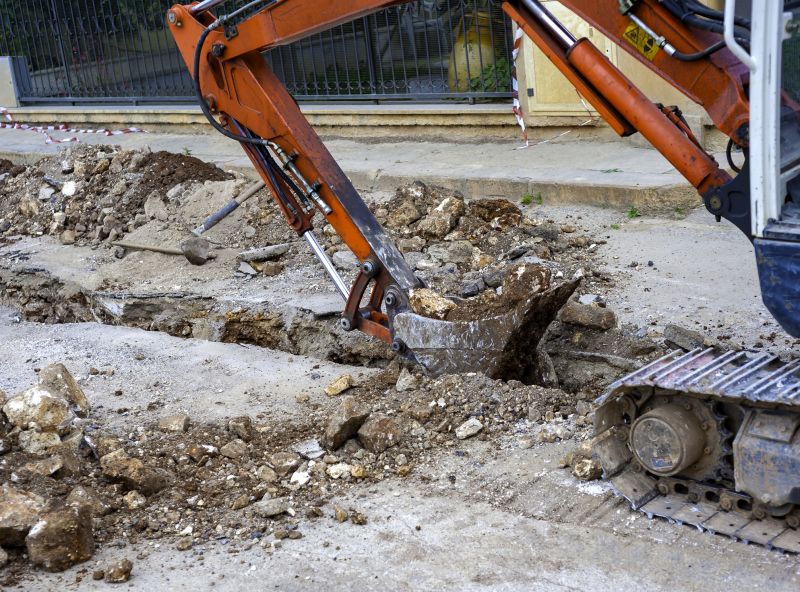
Gas Line Excavation Questions
What is gas line excavation used for? It is performed to install, repair, or replace underground gas lines for residential or commercial properties.
Are permits needed for gas line excavation? Yes, permits are typically required to ensure compliance with safety and building regulations.
How deep are gas lines usually buried? Gas lines are generally buried between 18 to 24 inches underground, depending on local codes and conditions.
What should property owners do before excavation? It is important to have existing utility lines marked and to inform the utility companies beforehand.
Request Gas Line Excavation in Atlanta, GA
Use the quote form on this page to share the basics of your project and request more information for the type of work you need.